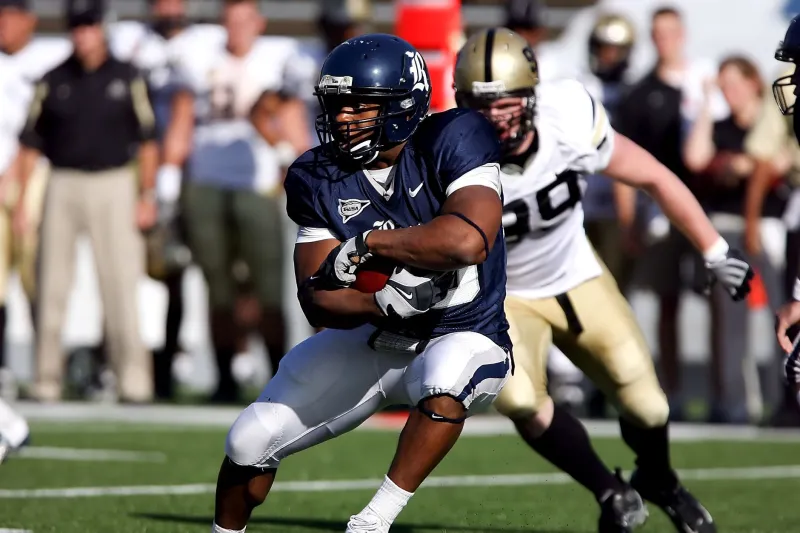
The Guys Nobody Thanked: Role Players Who Quietly Built Championship Dynasties
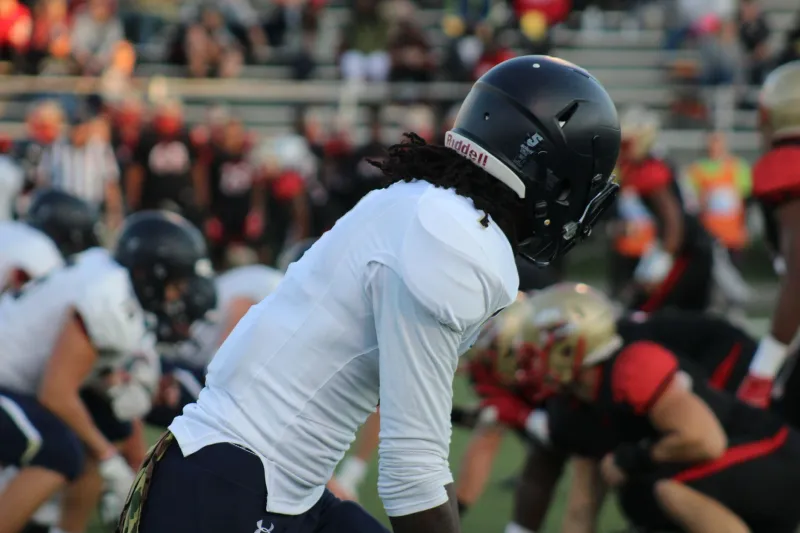
Patrick Mahomes gets the trophy presentation. The offensive linemen who kept him upright for four quarters get a handshake and a ring that most people won't ask about at dinner parties. That's the deal in professional sports, and most role players accept it because what's the alternative? But accepting it doesn't mean we have to pretend the arrangement is fair — or that the sports media ecosystem that amplifies superstars and erases everyone else is giving us an accurate picture of how championships actually get won.
Let's fix that, at least a little.
The Superstar Myth and Why It Persists
There's a reason we build sports narratives around individual greatness. It's cleaner. It's sellable. LeBron wills the Cavaliers to a title. Tom Brady engineers another fourth-quarter comeback. These stories are compelling because they're simple, and simple sells advertising.
The reality of championship football — or basketball, or baseball — is considerably messier and considerably more collaborative. Teams win. Not players. And the construction of a winning team almost always depends on a collection of role players doing specific, defined, often unglamorous jobs at an extremely high level while the cameras point somewhere else.
The media machine isn't built to tell that story. Box scores don't measure the linebacker who blew up a screen pass, the receiver who ran a perfect route he knew wasn't going to get the ball thrown to him, or the offensive lineman who picked up a blitz that would have ended the drive before it started. Those contributions are invisible to the highlight reel and invisible to the casual viewer. But coaches see them. Teammates see them. And if you watch the film, you see them too.
The Unsung Architecture of Super Bowl Runs
Take a step back and look at some of the most celebrated championship teams in NFL history. The 2001 New England Patriots — widely considered one of the great upsets in Super Bowl history — weren't built around one dominant superstar. They were built around a system, and that system worked because of players like linebacker Mike Vrabel, safety Lawyer Milloy, and receiver David Patten, none of whom would make most fans' all-time lists but all of whom were essential to that specific championship run.
Or look at the 2015 Denver Broncos. Everyone credits that defense with carrying a hobbled Peyton Manning to a title, and they're right. But beyond Von Miller — who absolutely earned his Super Bowl MVP — that championship was built on the backs of players like linebacker DeMarcus Ware grinding through injuries, cornerback Aqib Talib making critical plays in the biggest spots, and a defensive line that collectively suffocated Cam Newton when it mattered most. Those guys won a Super Bowl. Most people can barely name them.
The Glue Guys Nobody Writes About
In locker room culture, there's a category of player that coaches and teammates universally respect but that rarely makes the back page of a sports section. Call them glue guys, role players, specialists — whatever label you prefer. They're the ones who do the specific thing the team needs, do it consistently, and don't require extra attention, extra motivation, or extra paycheck conversations to keep doing it.
These are the backup safeties who know the opposing offense's tendencies better than some starters. The long snappers who perform flawlessly for eight seasons without a single memorable play. The practice squad receivers who make the starting cornerbacks better every week in a game they'll never actually dress for. Their contributions are structural. Pull them out and the building gets a little less stable. Pile enough of them together and you have the foundation of something that can win.
The problem isn't that teams don't value these players — most front offices and coaching staffs absolutely do. The problem is that the media narrative around championships has no room for them, and by extension, neither does the public memory of those titles.
What Stats Can't Capture
Here's something worth sitting with: the advanced analytics revolution in sports, for all its genuine value, still struggles to quantify a lot of what role players actually contribute. Metrics can tell you a receiver's yards after contact or a defensive back's coverage grade. They can't easily measure the veteran presence in a huddle when a rookie quarterback is rattled, or the blocking effort of a tight end on a run play that went to the other side of the field, or the way a locker room's culture shifts when a certain kind of competitor is in the room every day.
Coaches talk about this in press conferences sometimes, usually in vague terms about "character" and "buying in," and the media tends to treat it as filler. But those coaches are describing something real. Teams that win championships almost always have a critical mass of players who subordinate individual glory to collective function. That's not an accident of roster construction. It's the whole thing.
Giving Credit Where It Actually Belongs
This isn't an argument against celebrating Patrick Mahomes or Josh Allen or any other elite player doing genuinely extraordinary things. Those guys are exceptional and they deserve the recognition they get. But the framing that they won a championship — singular, individual ownership of a team accomplishment — does a quiet disservice to everyone else who contributed.
When the 2023 Kansas City Chiefs won the Super Bowl, the conversation was appropriately dominated by Mahomes. But the offensive line that gave him time, the special teams units that flipped field position, the defensive backs who made stops when the offense needed a chance to breathe — those guys won that Super Bowl too. They just won it without a trophy presentation and without a commercial deal waiting on the other side.
Maybe the fairest thing fans can do — since we can't fix the media economy or rewrite the sponsorship incentives — is just remember a few of those names. Look up the depth chart next time your team wins something meaningful. Read about the guy who played 800 defensive snaps and never had a sack but was consistently where he was supposed to be. Learn what a "pancake block" is and appreciate the lineman who threw three of them in the fourth quarter of a playoff game.
The stars get the rings and the rings get the rings ceremony. But championships are built by whole rosters. It's about time we started talking about the whole roster.