Clock's Running Out: The Franchises That Keep Finding New Ways to Fold Under Pressure
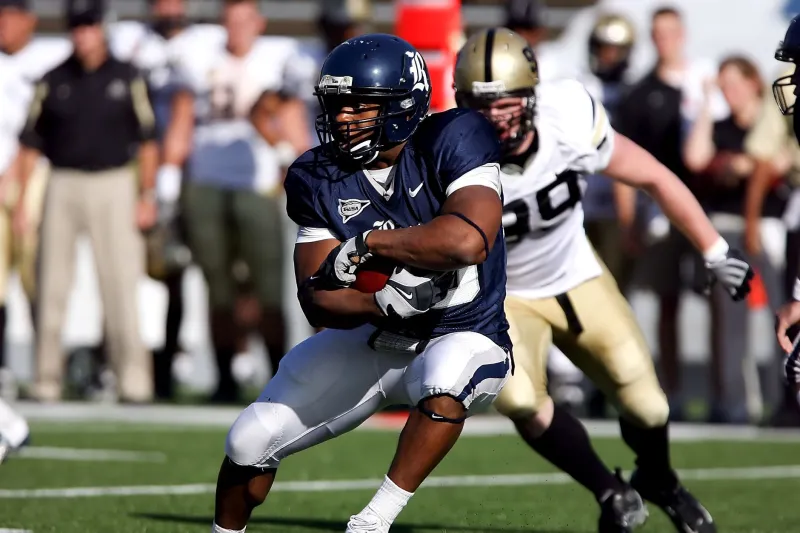
There's a specific kind of sports pain that goes beyond a bad loss. It's the loss you saw coming. The one where your team had a double-digit lead in the third quarter, and something in your gut told you — here we go — and sure enough, the wheels came off right on schedule. It's not bad luck. It's not a fluke. It's a pattern. And patterns don't lie.
Across the NFL, certain franchises have turned late-game and late-season implosion into something that almost resembles a system. Not intentionally, obviously. But when the same organizational tendencies — in roster construction, in coaching philosophy, in quarterback management — produce the same catastrophic outcomes year after year, you have to stop calling it bad luck and start calling it what it is: a structural problem.
The Anatomy of a Collapse
Before we name names, it's worth understanding what actually causes a second-half collapse, because it's rarely just one thing.
The most common culprit is depth erosion. Teams that build rosters around a small core of high-end talent look elite in September, when starters are fresh and the scheme is new. By November, when injuries have tested the depth chart and coordinators around the league have had film for weeks, those same rosters start to crack. A team that's one backup quarterback away from catastrophe is a team that's one hit away from a season-ending spiral.
Then there's coaching rigidity. Some head coaches are genuinely great at building a lead — and genuinely terrible at protecting one. They stick to vanilla play-calling when they're up 17 in the fourth quarter, as if the football gods reward conservatism. They don't. The prevent defense prevents wins. Everybody knows this. And yet, every January, we watch some team sit on a lead and let the other offense find its rhythm until it's too late.
Finally, there's the factor that front offices hate discussing most: mental infrastructure. Some locker rooms simply haven't been built to handle adversity. When a team is winning, everything looks cohesive. The moment things go sideways — a turnover, a momentum shift, a bad call — you find out real fast whether that team has the psychological foundation to respond. Many don't.
The Buffalo Bills: A Case Study in Organized Chaos
No current NFL franchise has given fans more material for this conversation than the Buffalo Bills. And to be clear — this isn't a pile-on. Bills fans are some of the most passionate in the league, and Josh Allen is a legitimate MVP-caliber quarterback. That's exactly what makes the pattern so maddening.
The Bills have now lost four consecutive AFC Championship appearances or earlier playoff exits in situations where they held advantages. The 2022 divisional round loss to the Bengals, after leading in the fourth quarter, crystallized something that had been building. It wasn't just a bad game — it was a coaching staff that appeared to have no answer when the script flipped. Offensive play-calling became predictable under pressure. The defensive scheme, excellent against inferior opponents, bent catastrophically against a hot quarterback.
The front office has reshuffled coordinators, added pieces, and talked about "finishing" in every offseason presser for three years running. What they haven't done is address the deeper question: why does this team specifically seem to play its worst football in its most important moments? At some point, "almost" becomes the brand.
The Minnesota Vikings: Historically Allergic to the Finish Line
If Buffalo is the modern face of the collapse problem, Minnesota is its historical architect. The Vikings have lost four Super Bowls. They've produced some of the most gut-wrenching losses in playoff history — the 1998 NFC Championship, the 2009 NFC Championship overtime loss to New Orleans, the 2015 Blair Walsh missed field goal. The list reads like a horror anthology.
What's consistent across decades of different rosters and coaching staffs is a franchise-wide inability to perform when the margin for error shrinks to zero. That's not a personnel issue — it's organizational culture. Something in the DNA of how that franchise prepares, evaluates, and executes in critical moments produces the same outcome repeatedly. New general managers and new coaches arrive with new systems, and the Vikings find entirely new ways to break your heart.
The Kevin O'Connell era has shown genuine promise, and the 2022 comeback season was legitimately exciting. But until Minnesota wins a game that actually matters in January, the pattern holds.
What Front Offices Won't Say Out Loud
Here's the uncomfortable part. Most front offices know exactly where their weaknesses are. The analytics departments at every major franchise have more data on fourth-quarter performance, late-season win rates, and high-leverage situational outcomes than any outside analyst. They know.
What they won't do — publicly, at least — is acknowledge that the problem might be philosophical rather than personnel-based. Because acknowledging a philosophical problem means acknowledging that the people making decisions might be the issue. And nobody in a front office is going to hold a press conference to say "our head coach is psychologically incapable of managing a lead" or "our roster construction philosophy produces teams that look great in Week 6 and fall apart in Week 16."
So instead, they talk about adding "veteran leadership" and "championship experience." They sign a 34-year-old safety who won a ring eight years ago somewhere else, as if proximity to past success is contagious. They bring in a new offensive coordinator and call it a fresh start.
And then October becomes November, November becomes December, and the same team that looked like a contender at 5-2 is suddenly fighting for a wild card spot with a defense that can't stop anyone and an offense that's been figured out by every coordinator in the league.
The Clutch Gap Is Real, and It's Fixable
The good news — if you want to call it that — is that second-half collapses aren't destiny. The Kansas City Chiefs spent years being labeled as a team that couldn't win the big one. Andy Reid had the "can't win in January" label stapled to him for over a decade in Philadelphia and early Kansas City. Then they built a roster with genuine depth, developed a quarterback who thrives in chaos, and established a culture where adversity is practiced, not just discussed.
That's the blueprint. It's not glamorous, and it doesn't make for exciting press releases. But teams that stop collapsing don't do it by signing one big free agent or drafting one transcendent talent. They do it by building organizations where the process of handling pressure is as deliberate and coached as any other part of the game.
Until the Bills, the Vikings, and their fellow travelers in late-game misery are willing to look that hard in the mirror, the clock will keep running out on them. Right on schedule.