Scouted, Drafted, Busted: The Dirty Secret Behind NFL Teams' 'Can't-Miss' Prospects
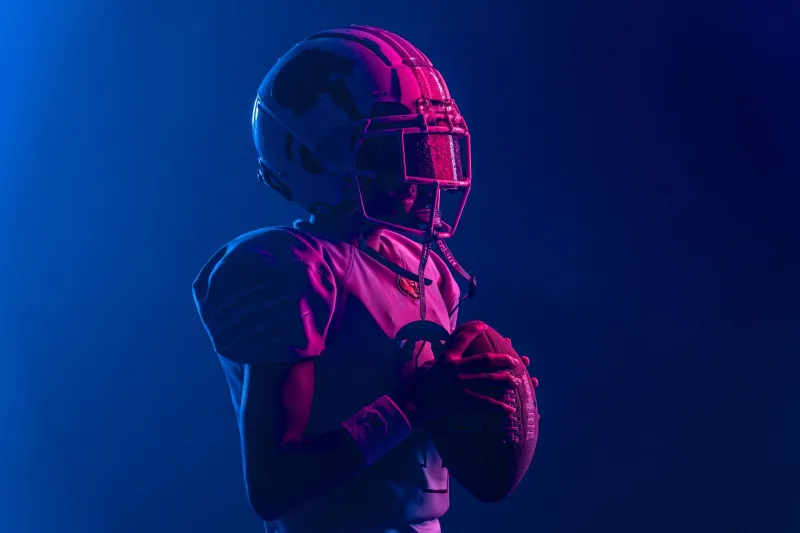
Every spring, the NFL Draft rolls around and the hype machine goes absolutely nuclear. Mock drafts flood your timeline. Analysts in expensive suits start throwing around phrases like 'generational talent' and 'once-in-a-decade athlete.' Fan bases lose their minds over a kid in a suit walking across a stage in Detroit or Nashville or wherever the league decided to set up shop this year.
And then, more often than not, that 'perfect' pick flames out by year three.
Nobody wants to say it out loud — not the scouts, not the general managers, definitely not the team's PR department — but the NFL Draft is, at its core, an educated guessing game dressed up in Combine data and highlight reels. The process is broken in ways that are both predictable and entirely avoidable, yet franchises keep stumbling into the same traps cycle after cycle.
Let's talk about why.
The Measurables Obsession Is Making Teams Dumber
Here's the thing about the NFL Scouting Combine: it measures everything except what actually matters on a football field.
Front offices spend enormous resources tracking forty-yard dash times, vertical leaps, hand size, and arm length. Those numbers feel scientific. They feel safe. You can put them in a spreadsheet, rank players, and walk into the owner's box with a straight face and a PowerPoint. What you cannot put in a spreadsheet is whether a guy crumbles when the game is on the line, or how he handles a locker room full of fragile egos, or whether he's going to spend his rookie contract trying to renegotiate it.
Remember JaMarcus Russell? The Raiders took him first overall in 2007 off the back of a rocket arm and a frame that scouts drooled over. His combine numbers were genuinely impressive. What the Raiders — and every other team that passed on him — couldn't measure was his work ethic, his hunger, and ultimately his willingness to put in the grind that separates good prospects from great pros. Russell was out of the league in three years. Oakland burned roughly $36 million guaranteed on a guy who became the poster child for draft-day hubris.
Flip that script and look at Tom Brady — sixth round, 199th pick, six Super Bowl rings. Brady's combine was a disaster by any measurable standard. Slow forty time. Skinny. Unimpressive athletically. But he had the intangibles that scouts either couldn't see or didn't bother looking for: obsessive preparation, elite football IQ, and a competitive fire that made him genuinely impossible to beat mentally. Brady himself has joked about the draft process, and there's real edge underneath those jokes.
Pedigree Is a Shortcut, Not a Strategy
There's another bias baked into scouting culture that doesn't get enough attention: the pedigree problem. Teams consistently over-draft players from powerhouse programs — your Alabamas, your Georgias, your Ohio States — partly because those schools produce legitimate NFL talent, but also because scouts are subconsciously rewarding the brand rather than the player.
A receiver who posts big numbers in the SEC gets the benefit of the doubt. A receiver from a mid-major who dominates against lesser competition gets written off as a 'product of the system.' Never mind that the mid-major kid might have better hands, sharper routes, and a higher football IQ. He doesn't have the right logo on his helmet, so he slides.
This is why you see perennial draft busts come disproportionately from the biggest programs, and why undrafted free agents — guys who slipped through the cracks entirely — quietly outperform first-round picks on a fairly regular basis. The Dak Prescotts of the world (fourth round, 135th pick) aren't accidents. They're evidence of a scouting process that systematically misevaluates players because it's chasing comfort rather than talent.
What Front Offices Won't Tell You
Here's the admission you'll never hear at a post-draft press conference: teams draft for optics as much as they draft for football.
Owners want splash picks. Fanbases want excitement. The media wants a narrative. Taking a developmental offensive lineman in the first round doesn't move jerseys or dominate sports radio. Taking a flashy skill-position player with a highlight reel that breaks the internet does. So teams feel pressure — real, financial, organizational pressure — to prioritize the pick that generates buzz over the pick that fills a genuine roster need.
Coaches and scouts will sit in draft rooms and talk themselves into players they know aren't ready because the alternative is explaining to the owner why the team's first-round pick is a guard from Iowa. That conversation is uncomfortable. So they avoid it, and they reach for the highlight reel guy, and two years later they're calling it a 'learning experience' while quietly shopping him to another team.
There's also a massive groupthink problem in scouting departments. When one prominent scout or analyst attaches a high grade to a prospect, others fall in line. Nobody wants to be the guy who contradicted the consensus and was wrong. So the consensus becomes self-reinforcing, and genuine outlier talent — the guys who don't fit the traditional mold — keeps getting overlooked.
The Gems Nobody Celebrated on Draft Night
For every JaMarcus Russell disaster, there's a flip side that makes the whole thing even more maddening. The players who actually change franchises rarely arrive with fanfare.
Richard Sherman went in the fifth round. Terrell Davis was a sixth-round pick who became a Super Bowl MVP. Antonio Gates wasn't even drafted — he played college basketball. These weren't flukes. They were players with real football skills and unquantifiable drive who got passed over because they didn't check the right boxes on a scouting report.
The teams that consistently win — your Patriots dynasties, your current Chiefs — aren't necessarily smarter about measurables. They're better at evaluating the stuff that doesn't show up on a Combine printout. Culture fit. Coachability. Competitive instinct. The willingness to be great at something unsexy. Those organizations have built systems that value intangibles, and it shows in their draft hit rates over time.
So What's the Fix?
Honestly? There probably isn't a clean one, and that's part of what makes the draft such compelling theater every year. Human beings are doing the evaluating, which means human biases — toward size, toward pedigree, toward the familiar — are always going to creep in.
But teams that want to get better at this have a roadmap. Invest more in psychological profiling. Talk to coaches, teammates, and college staff who see these players every day, not just scouts who watched film for two weeks. Weight character and competitiveness as heavily as you weight forty times. And for the love of everything, stop drafting for the press conference.
The draft is not a science. It's never going to be a science. Every team in the league knows this and pretends otherwise come April, because the alternative — admitting that the whole thing is partially a crapshoot — doesn't sell tickets or generate hype.
But you already knew that, didn't you? That's why you're here instead of believing the broadcast.