The Real Price of Showing Up: What Nobody Tells You Before You Buy That Game Ticket
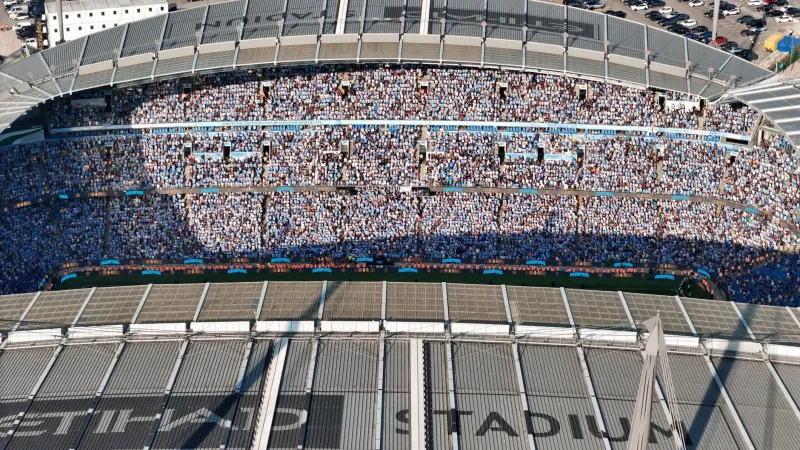
Let's say you scored tickets to see your team play. Maybe it's a divisional rival, maybe it's a prime-time matchup you've been circling on the calendar since August. You check the listing, see a number that stings a little but feels manageable, and you pull the trigger. Done deal.
Except it's not done. Not even close.
By the time Sunday rolls around and you're dragging yourself back to the car after the final whistle, your wallet has taken a hit that would make your monthly electric bill blush. And the wild part? None of it happened by accident. Every single dollar you spent beyond that base ticket price was architected, tested, and optimized by people whose full-time job is separating fans from their money as efficiently as possible.
Welcome to the real cost of showing up.
The Ticket Is Just the Entry Fee to the Entry Fee
Start with the ticket itself — and we mean the actual ticket price, not the number you saw in the listing before you clicked through. Service fees, facility charges, order processing fees — these aren't rounding errors. On a mid-range NFL ticket, you can routinely watch a $95 seat climb past $130 before you've confirmed anything. Ticketmaster, SeatGeek, StubHub — they all have their own flavor of fee stacking, and none of them are shy about it.
Then there's dynamic pricing, which is the industry's polite term for "we charge whatever the market will bear at any given moment." Teams and resale platforms use algorithms that respond in real time to demand signals — weather forecasts, opponent records, playoff implications, even social media buzz. That ticket you bookmarked on Tuesday might cost 40% more by Friday night. It's surge pricing with a jersey on.
And if you're buying on the secondary market because the primary sale sold out in minutes? Congratulations, you're now funding a scalper ecosystem that teams quietly benefit from through resale partnerships and revenue-sharing arrangements. The house always wins.
Parking: The Tax Before the Tax
You've got your tickets. Now you need somewhere to put the car. Official stadium lots at major NFL venues can run anywhere from $40 to $100+ depending on proximity and the size of the game. Some franchises have moved to a cashless, pre-purchase-only model for premium spots, which means if you didn't plan ahead, you're circling side streets or handing your keys to a guy with a handwritten sign and a prayer.
Third-party lots are cheaper, usually, but they come with their own math problem: the farther out you park, the earlier you need to leave home, which means more time, more fuel, and sometimes a shuttle ride that costs extra anyway. The stadium experience starts costing you before you can even see the building.
In cities like Los Angeles, Chicago, or the New York metro area, some fans are factoring in tolls, bridge fees, and rideshare surge pricing on top of everything else. An Uber to and from SoFi Stadium on a big Sunday? You might be looking at $80 to $120 round trip depending on timing. That's not a knock on LA — it's just math.
Concessions: Where the Margin Gets Obscene
Okay. You're in the stadium. You're in your seat. You're pumped. You want a beer and a hot dog because you're an American at a football game and that is your constitutional right.
That beer is $16. The hot dog is $8. A bottle of water — water — might run you $6. If you've got kids with you, you're looking at a concession run that could hit $60 before anyone's complained about the nachos being cold.
This isn't a bug in the system. It's the system. Stadiums operate on exclusive vendor contracts that eliminate competition inside the gates, which means you either pay what they're charging or you don't eat. Some venues have loosened up on outside food policies in recent years — a sealed water bottle here, a small snack bag there — but the major revenue categories (alcohol, hot food, licensed merchandise) remain locked down tight.
The psychology at work here is deliberate: you're already emotionally invested in the experience, you've already spent significantly to be there, and the friction of not buying feels like it would diminish the whole thing. So you buy. They know you'll buy. They built the pricing around the certainty that you'll buy.
The Seat Location Scam Nobody Talks About
Here's something worth understanding about modern stadium seating maps: not all $80 seats are created equal. Teams have gotten extremely creative about how they categorize and market seat locations, creating tiered "premium" designations for sections that, ten years ago, would have just been regular seats.
Club levels, field-side access, "enhanced" sideline views — these labels carry significant price premiums, and the actual difference in experience is often marginal at best. A club seat might get you access to an indoor concourse with slightly better food options and a TV you could've watched at home. But the psychological value of feeling like you're getting something elevated? That's worth a lot to teams pricing their inventory.
Some franchises have also moved aggressively toward personal seat licenses — PSLs — which are essentially the right to purchase season tickets. You pay thousands upfront for the license, then you pay again every year for the actual seats. It's a model that generates massive upfront capital for ownership while locking fans into long-term financial commitments built on loyalty and the fear of losing access.
So Why Do We Keep Going?
Here's the honest answer: because it's still worth it. For a lot of fans, anyway.
There is genuinely something that doesn't translate through a television screen — the crowd noise when your defense forces a third-down stop, the physical sensation of 70,000 people collectively losing their minds on a go-ahead touchdown, the strange camaraderie of standing next to a total stranger who's wearing the same jersey and suddenly feels like family. That experience is real, and it has value.
But the teams know it has value too. That's precisely why they've built an entire infrastructure around monetizing your emotional investment at every possible touchpoint. The live game experience isn't just entertainment anymore — it's a revenue category, and you are the product being optimized.
Going to a game with your eyes open doesn't make it less fun. It just means you're not surprised when the final tab looks nothing like the ticket price you started with. Budget accordingly, build in the buffer, and enjoy the game.
Just maybe eat before you get there.