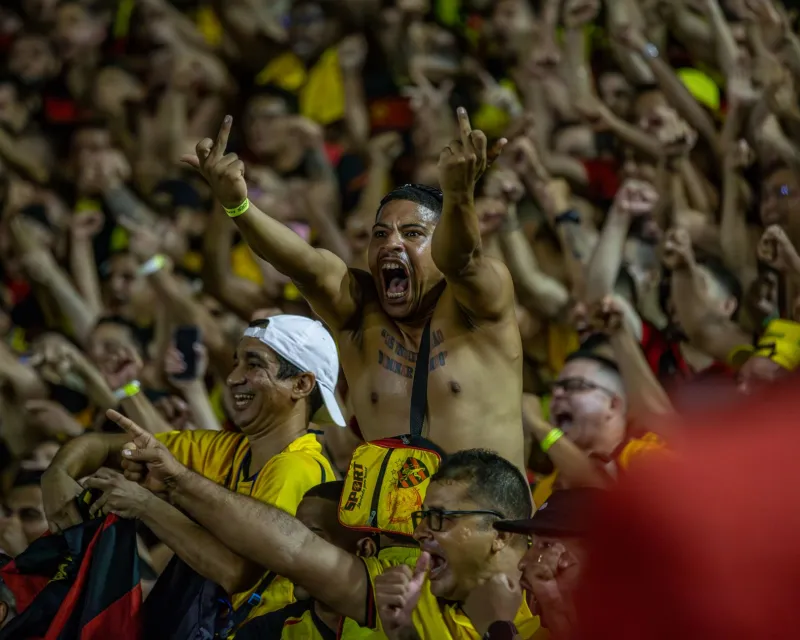
Bleeding Team Colors: The Hidden Price Tag of Rooting for a Perennial Loser

Let's be honest. You already know your team isn't going anywhere this season. You knew it last season, too. And yet, somewhere between August and January, you'll spend more money on them than you probably spent on a weekend vacation. No judgment — that's just what fans do. But it's worth asking: why does being loyal to a losing franchise cost so much more than rooting for a winner?
Spoiler: it's not an accident.
The Ticket Trap Nobody Talks About
Here's a counterintuitive truth about the sports economy — losing teams don't always have cheap tickets. Sure, a franchise that's bottomed out for a decade might drop face value prices a little, but the secondary market tells a messier story. When a team is perpetually rebuilding, single-game attendance becomes the primary revenue lever. Front offices know that the hardcore faithful will show up regardless, and they price accordingly.
According to data from the Fan Cost Index — which tracks the average cost for a family of four to attend a game — several struggling NFL franchises consistently land in the mid-to-upper range of league-wide ticket prices. The Cleveland Browns, for much of their rough stretch, maintained average ticket prices that would surprise you given their win-loss record. Same story with the Washington Commanders during their turbulent years under Dan Snyder. You'd expect a discount for the heartache. You don't get one.
And then there's the stadium experience itself. Concession markups at NFL venues average somewhere north of 300% over retail, and that number doesn't shrink because your quarterback just threw his third interception. A beer that costs $3 at a gas station runs you $14 inside the gates. A hot dog that costs less than a dollar to produce is suddenly a $7 investment in your own suffering.
The Jersey Cycle and Why It Never Ends
Here's where it gets really interesting. Fans of successful franchises — your Chiefs fans, your Patriots fans from the Brady era — they buy a jersey and wear it for a decade. The player stays. The wins keep coming. The jersey stays relevant.
Fans of losing teams? They're on a treadmill.
When a franchise is constantly cycling through quarterbacks, coaches, and "franchise cornerstones" who flame out in year two, the merchandise lifecycle shrinks dramatically. You buy the jersey of the guy who's supposed to be the guy, and eighteen months later he's been traded to a contender and you're holding a $130 piece of fabric with a stranger's name on the back. So you wait for the next savior. And you buy again.
NFL licensed merchandise averages around $100-$150 for a quality jersey. Multiply that by three or four player cycles over a rough decade, and a loyal fan of a rebuilding team might spend $400-$600 on jerseys alone — just to stay current. Meanwhile, a Chiefs fan who bought a Mahomes jersey in 2018 is still wearing the same one to the Super Bowl watch party.
The Streaming and Media Subscription Spiral
This one sneaks up on you. NFL Sunday Ticket through YouTube TV currently runs over $400 for a full season. Add NFL+, a sports news app subscription, a fantasy football platform, and maybe a podcast membership from your favorite team-specific analyst, and you're looking at $600+ annually just to consume content about a team that's going 6-11.
Winning fans buy subscriptions to watch games. Losing fans buy subscriptions to understand what went wrong — and to maintain hope that things will turn around. That's a subtle but real difference in the psychology of spending. When you're winning, media consumption is a reward. When you're losing, it becomes almost therapeutic. You're searching for answers. And the content machine is very happy to keep selling you those answers, week after week, season after season.
Why Loyalty Itself Becomes the Product
This is the part that nobody in a front office will say out loud, but anyone who's studied sports economics will tell you quietly: suffering fans are actually more valuable customers than casual fans of winning teams.
Think about it. A bandwagon fan of a dynasty shows up when things are good and disappears when they aren't. A die-hard fan of a losing franchise is emotionally invested in a way that transcends performance. They can't just walk away — the team is part of their identity, their family history, their community. That emotional lock-in is, from a pure business standpoint, an asset.
Franchises lean into this. They sell "loyalty" back to fans in the form of throwback jerseys, alumni events, and nostalgia-heavy marketing campaigns that remind you of the one good season fifteen years ago. They sell hope through splashy draft coverage and offseason hype. The actual product on the field can be mediocre, but the idea of what the team represents — and the emotional community of fellow sufferers — keeps the spending cycle alive.
Psychologists call this the "sunk cost fallacy" in action. You've already spent so much — emotionally and financially — that walking away feels like waste. So you spend a little more. And the team knows it.
So What Do You Actually Do With This?
Look, nobody's telling you to stop being a fan. That's not the point. The point is to go in with your eyes open.
Buy jerseys of players with long-term contracts, not hype prospects. Wait until mid-season to buy tickets — secondary market prices drop when a team is underperforming. Audit your subscriptions once a year and cut anything that's more habit than genuine value. And when the front office rolls out a big offseason narrative about a "new direction," enjoy the optimism without letting it drive you to the merchandise section.
Your loyalty is real. It's also worth money to someone who isn't particularly loyal to you in return. That doesn't mean you stop caring — it just means you stop paying the loyalty tax on autopilot.
Because at the end of the day, the scoreboard doesn't refund anyone. But your wallet? That part's still yours.